
Mars_Elon_Musk_Tesla_1_Trillion_Pay_Package_X_1757_1757711751284_1757711751487

_102929525_elonmusk.jpg
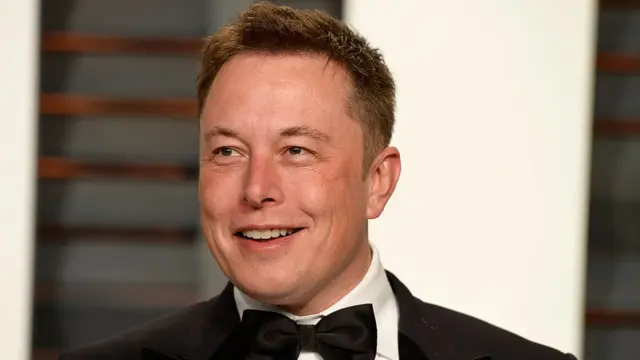
elon-musk-24163
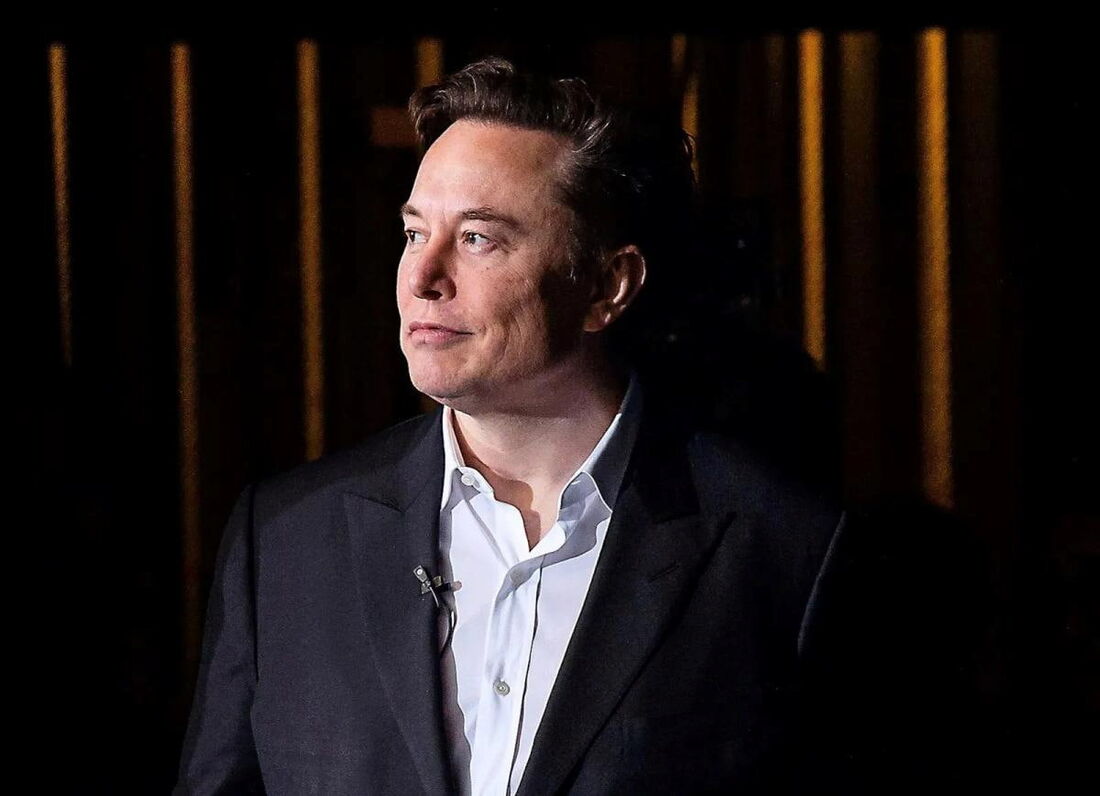
c-2025-01-29t200958z-751044450-rc2qdca4cgkl-rtrmadp-3-tesla-results
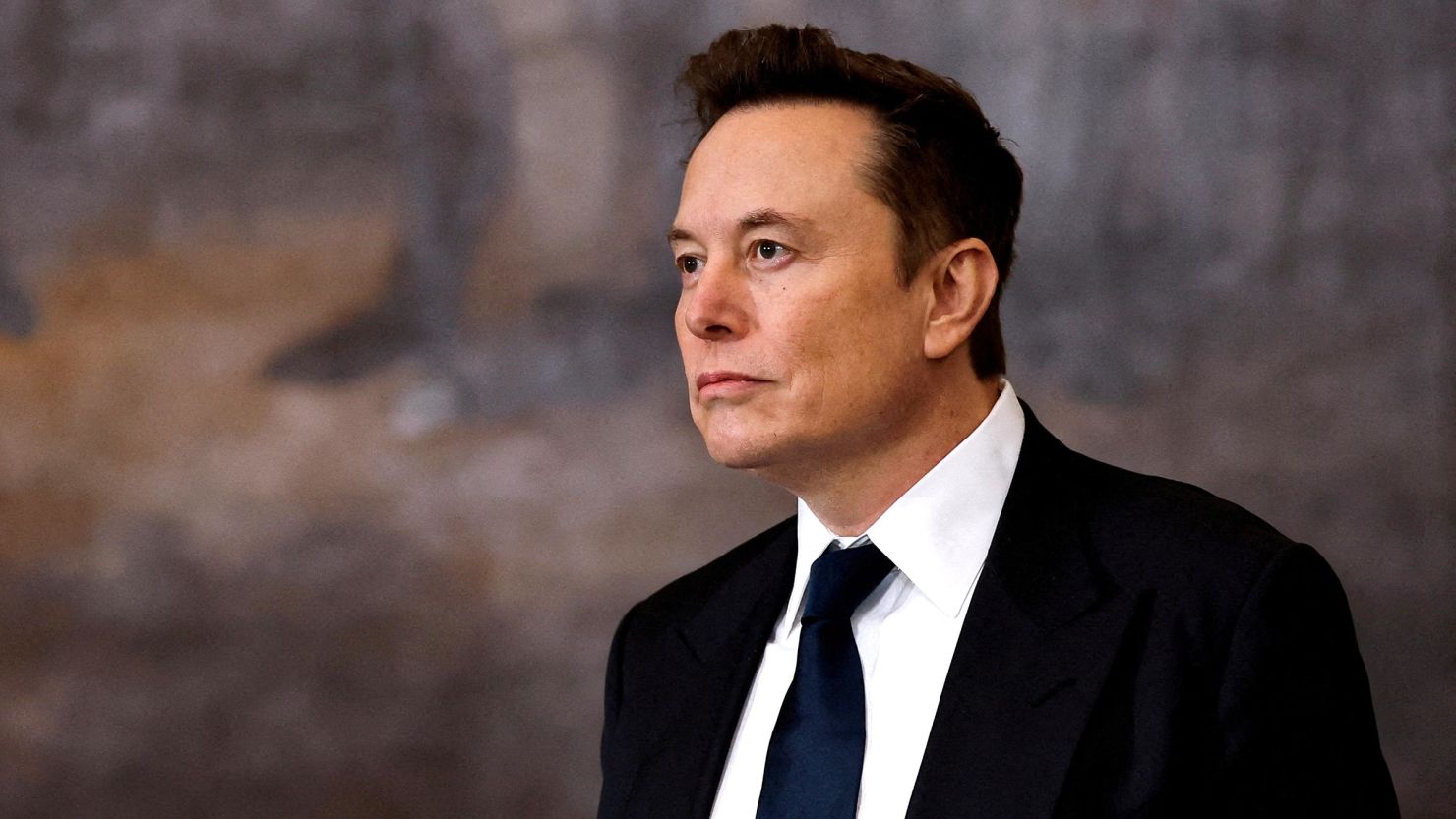
-1x-1
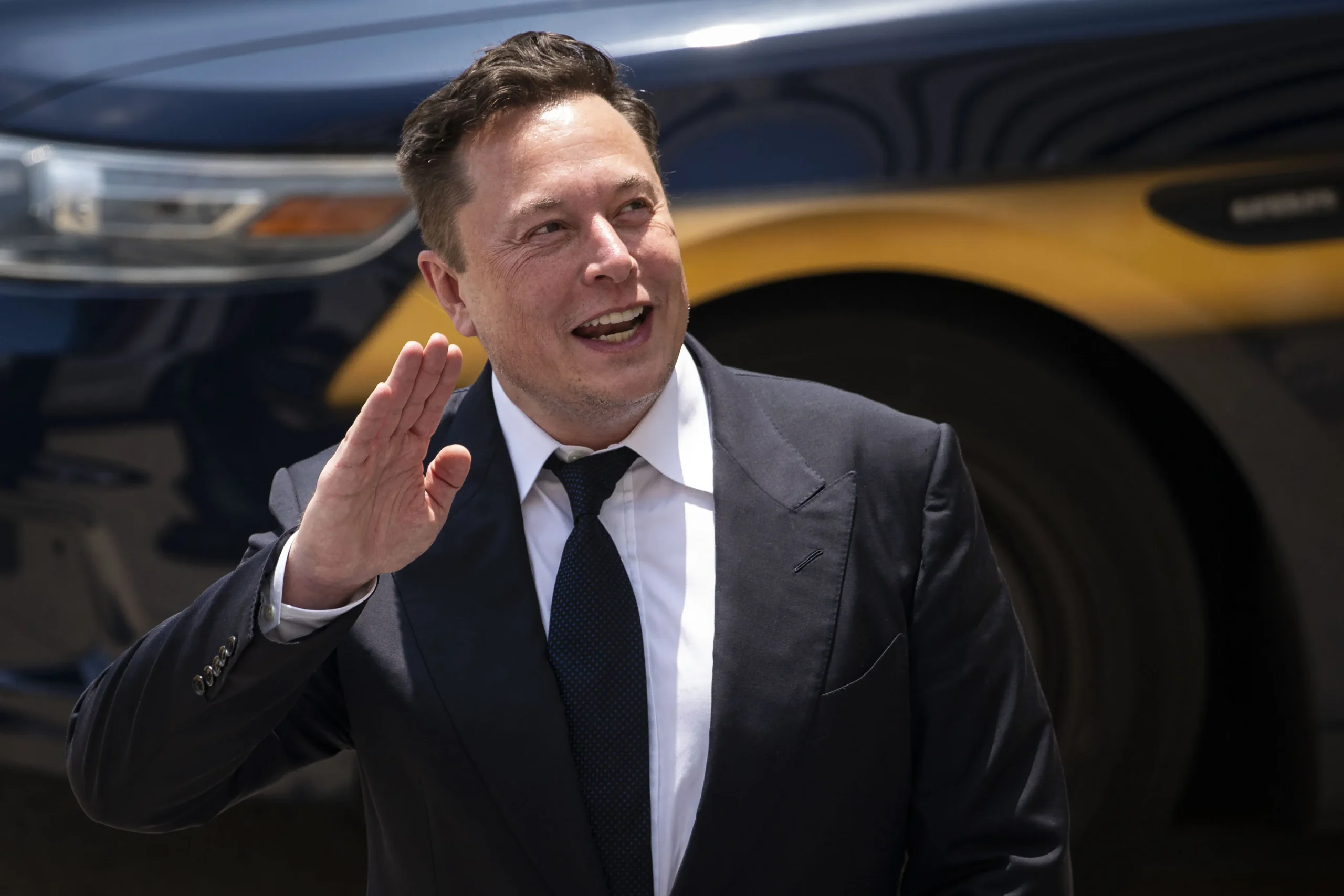
12377
ohat5rcs_elon-musk-reuters_625x300_02_July_25
About This Project
Elon Musk (born June 28, 1971, Pretoria, South Africa) is a South African–born American entrepreneur who cofounded the electronic payment firm PayPal and formed SpaceX, maker of launch vehicles and spacecraft. He was also one of the first significant investors in, as well as chief executive officer of, the electric car manufacturer Tesla. In addition, Musk acquired Twitter (later X) in 2022. Musk led the Department of Government Efficiency (DOGE) in U.S. President Donald Trump’s second administration for four months before stepping down in May 2025. Musk is the world’s richest person, with a net worth of $393 billion, as of 2025.
Early life
Musk was born to a South African father and a Canadian mother. He displayed an early talent for computers and entrepreneurship. At age 12 he created a video game and sold it to a computer magazine. In 1988, after obtaining a Canadian passport, Musk left South Africa because he was unwilling to support apartheid through compulsory military service and because he sought the greater economic opportunities available in the United States.
PayPal and SpaceX
Musk attended Queen’s University in Kingston, Ontario, and in 1992 he transferred to the University of Pennsylvania, Philadelphia, where he received bachelor’s degrees in physics and economics in 1997. He enrolled in graduate school in physics at Stanford University in California, but he left after only two days because he felt that the Internet had much more potential to change society than work in physics. In 1995, he founded Zip2, a company that provided maps and business directories to online newspapers. In 1999, Zip2 was bought by the computer manufacturer Compaq for $307 million, and Musk then founded an online financial services company, X.com, which later became PayPal, which specialized in transferring money online. The online auction eBay bought PayPal in 2002 for $1.5 billion.
What Do You Think?
Explore the ProCon debate.
Musk was long convinced that for life to survive, humanity has to become a multiplanet species, but he was dissatisfied with the great expense of rocket launchers. In 2002, he founded Space Exploration Technologies (SpaceX) to make more affordable rockets. Its first two rockets were the Falcon 1 (first launched in 2006) and the larger Falcon 9 (first launched in 2010), which were designed to cost much less than competing rockets. A third rocket, the Falcon Heavy (first launched in 2018), was designed to carry 117,000 pounds (53,000 kg) to orbit, nearly twice as much as its largest competitor, the Boeing Company’s Delta IV Heavy, for one-third the cost. The Falcon 9 and Falcon Heavy eventually dominated the launch vehicle market, and in 2024 more than half of the world’s orbital launches were done by SpaceX.